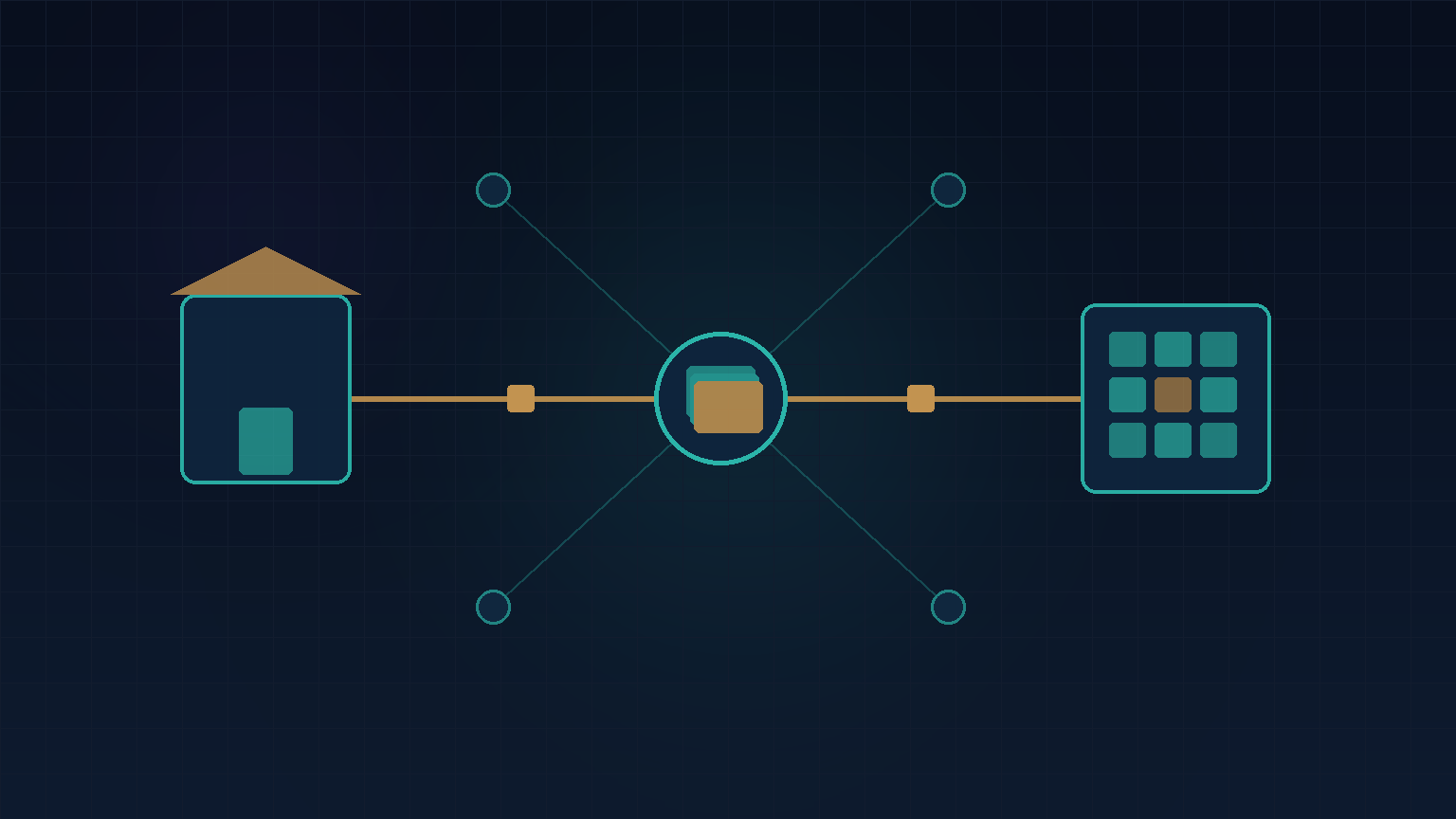
Ecommerce software development Singapore work fails when the build is treated as a theme or a storefront skin. Retailers and wholesalers already run ERP, warehouse, and marketplace tools; the hard part is the glue between them—orders that arrive from more than one channel, stock that must stay honest across sites, and fulfilment rules that do not live in one person’s spreadsheet. WC1 Entre Ventures builds custom B2B and B2C commerce platforms, order management, marketplace sync, and inventory and OMS layers around the systems Singapore retailers and wholesalers already run. We are not a Shopify theme agency. Buy Shopify, Magento, or a similar package when it fits; build when your requirements outgrow the package or sit between ERP, WMS, and marketplaces.
Ecommerce software development Singapore: who it’s for
This page is for owners, ecommerce and digital leads, operations directors, and IT leads at Singapore retailers, wholesalers, distributors, and brands selling online. Typical situations: you sell on your own site plus marketplaces and still re-key orders into the warehouse system; stock counts disagree between the storefront, the ERP, and the fulfilment team; B2B customers need account pricing, credit limits, and purchase-order intake that a catalogue theme cannot carry; or month-end means matching marketplace payouts to invoices by hand.
You are a fit if you want an ecommerce software company Singapore teams can hold to a clear scope, and you already know which channel, order, or inventory workflow hurts most. You are not a fit if a packaged storefront already covers your catalogue and checkout and only needs theme work or apps; in that case, configure the package. If you are still deciding whether to buy, integrate, or build, start with when custom software beats SaaS and low-code vs custom software for Singapore SMEs, then come back here when you are ready to scope. Parent pillar: Custom Software.
What we build for retail and wholesale ecommerce
- B2B and B2C commerce platforms: account-based pricing, catalogues, checkout, and order intake that match how your customers actually buy—not a theme skin over a generic store (see web application development Singapore)
- Order management and OMS glue: one place to accept, split, allocate, and status orders across channels before they hit warehouse and finance systems
- Marketplace and channel sync: listings, stock, and order pulls for the marketplaces and channels you use, with retries and conflict rules (see API integration Singapore)
- Inventory honesty layers: stock reservations, safety stock, and location rules that keep the storefront, ERP, and warehouse from selling the same unit twice
- ERP, WMS, and accounting hand-offs: APIs, file drops, and webhooks so orders, fulfilments, and invoices post to systems you already own (see ERP CRM integration Singapore)
- Customer and partner portals: order history, documents, returns intake, and B2B reorder flows without giving every partner a login to your ERP
- Mobile and warehouse-adjacent apps: pick lists, scan-to-confirm, and exception capture where fulfilment staff need them (see mobile app development Singapore)
- Operations dashboards: open orders, stock risk, and channel performance drawn from systems you already pay for (see data platform Singapore)
Ecommerce build scope check
Use this table when you brief any vendor for custom ecommerce software Singapore or retail ecommerce development Singapore work, including us. Each row is a build detail that is cheap to decide in discovery and expensive to discover in user acceptance testing.
| Area | Question to settle before build | What you should be able to see |
|---|---|---|
| System of record | Which system owns the SKU, the price, the order, and the stock position, and which ones only read? | A data ownership map naming the master for each record, so the new software never becomes a second, conflicting catalogue |
| Buy, configure, or build | Which parts of the journey stay on Shopify, Magento, or another package, and which sit outside it? | A boundary diagram: package for catalogue and checkout where it fits; custom for OMS, B2B rules, or ERP/WMS glue where it does not |
| Channels | Which marketplaces, own-site, and wholesale channels must share stock and order status? | A channel catalogue with sync direction, conflict rules, and who owns each listing |
| Pricing and accounts | Do B2B buyers need contract prices, credit limits, purchase orders, or approval workflows? | Account pricing rules, approval steps, and how those rules sync from (or into) the ERP |
| Fulfilment | Who picks, packs, and ships, and how do partials, backorders, and returns work? | Allocation rules, warehouse hand-off format, and a returns status model that finance can trust |
| Billing and GST | How do channel fees, discounts, and tax lines reach invoices? | Reconciliation rules and the accounting posting format, including InvoiceNow readiness where billing is rebuilt |
| Personal data | What customer and delivery data is collected across channels, who sees it, and how long is it kept? | Role-based access, retention rules, and breach handling aligned with the PDPA |
| Ownership and exit | Could another team run and extend this system later? | Source, cloud accounts, keys, data exports, and documentation held by you |
Engagement model
- Discover: follow real orders from channel to invoice, sit with warehouse or customer service if useful, and rank workflows by re-keying and exception load
- Decide buy, integrate, or build: keep packaged storefronts where the catalogue and checkout are standard; build only the OMS, B2B, or integration layer that is yours
- Build in slices: one channel, customer segment, or warehouse flow at a time, so peak trading periods are not the go-live window for everything
- Prove it on real orders: user acceptance testing with ecommerce, warehouse, and finance on live-style order samples and devices
- Run and improve: continue as a product team, hand over to your staff, or move into application management Singapore
We quote in SGD after discovery, usually a fixed-price discovery phase followed by a stable delivery team on a monthly basis. Ongoing roadmaps can move to a dedicated development team once the first release is live.
Our process
1. Map the order, not just the storefront
We trace a sample of real orders end to end: which channel they came from, who retypes them, which system owns each field, and where stock and status disagree. That tells us what to build and what to leave to software you already pay for. For the build-or-buy call, see when custom software beats SaaS and low-code vs custom software for Singapore SMEs.
2. Clean the master data before integrating
SKU codes, prices, customer accounts, and warehouse locations usually disagree between the storefront, ERP, and marketplaces. We agree the master for each before wiring anything together. See master data before you integrate.
3. Design integrations that survive bad days
Marketplace and ERP endpoints go down, resend duplicates, and change formats. Every interface gets retries, duplicate protection, monitoring, and a named owner. See webhook reliability design for B2B integrations and the event-driven integration checklist.
4. Keep people in the loop on exceptions
Automation handles the routine order; people handle the oversell, the failed payment capture, and the return that does not match the original line. We design the exception queue as carefully as the happy path. See human-in-the-loop design for automation.
5. Go live without stopping peak trading
Releases run in parallel with the old process for an agreed period, with acceptance evidence and a rollback plan. See the acceptance test evidence pack and the week-one hypercare playbook.
Singapore delivery context
InvoiceNow and GST. IRAS has made InvoiceNow mandatory for new voluntary GST registrants from 1 April 2026 and announced phased extension to all GST-registered businesses by April 2031. If your billing or channel-reconciliation flow is being rebuilt anyway, design it to send invoice data through your InvoiceNow-ready accounting system. See InvoiceNow-ready integrations for custom software; your tax adviser confirms when the requirement applies to you.
Personal data. Customer names, delivery addresses, phone numbers, and order history are personal data under the PDPA. Design detail: PDPA-by-design checklist for custom software in Singapore.
Regional catalogues and entities. Singapore brands often sell across Southeast Asia, so we design for multiple entities, currencies, tax lines, and time zones when that is already how you trade. When Philippine engineers support a Singapore system, contracts and access controls cover both the PDPA and the Philippine Data Privacy Act; see the Singapore contract checklist for offshore software delivery.
Commercial terms and grants. We quote in SGD after discovery and do not publish invented averages, delivery speeds, or ROI figures. Enterprise Singapore’s grant support is public context only: its EDGE Grant replaced PSG and EDG for new applications from 30 September 2026, after the older schemes closed on 29 September. Enterprise Singapore decides eligibility, so check the current terms on its site. We do not treat any grant as guaranteed. For how costs are built up, read the Singapore custom software cost guide.
WC1 Entre Ventures Singapore presence: Level 39, Marina Bay Financial Centre Tower 2, 10 Marina Boulevard, Singapore. Most discovery starts remote, with on-site sessions at your office or warehouse when they help.
FAQ
Should we build custom ecommerce software or buy Shopify or Magento?
Buy and configure a packaged storefront where catalogue, cart, and checkout are standard. Build where the work sits between systems—OMS, B2B account rules, marketplace sync, or ERP and warehouse glue—or where the package cannot carry the workflow without fragile workarounds. Most of our ecommerce work extends what you already run rather than replacing the storefront for its own sake.
Can you integrate with our ERP, warehouse system, and marketplaces?
Usually, yes, through each system’s supported APIs, exports, or file interfaces. We check what each system actually exposes during discovery and tell you plainly if an integration is fragile or needs the vendor’s help.
Do you redesign Shopify themes or run paid-media campaigns?
No. Theme polish and performance marketing are separate crafts. We build the commerce platforms, order and inventory layers, and integrations around the systems you already run.
Will this replace our ERP?
Not by default. We treat the ERP as the system of record for finance and master data unless discovery shows a clear reason to move a specific domain. The new software should read and write cleanly, not become a second ledger.
Who owns the code, data, and cloud accounts?
You do. Source, cloud accounts, keys, and documentation stay with you under our standard terms, and the system can sit in your own cloud account from day one.
What should we bring to the first conversation?
The workflow that hurts most, a handful of real anonymised orders across channels, the systems and marketplaces involved, rough monthly volumes, and your timeline. We respond with a discovery plan and an honest view of whether you should build, integrate, or buy.
Proof and further reading
Production delivery references (portals, workflow, and multi-party platforms, not ecommerce-specific): the DOE Designated Establishment Online Portal, PesoLend loan management software, and the ADROOM sari-sari store and BTL media platform. Browse all case studies. Related Insights: multi-vendor integration ownership, SOW red flags for Singapore software procurement, and InvoiceNow-ready integrations. Related services: custom software development Singapore, enterprise software development Singapore, logistics software development Singapore, and systems integration Singapore.
Next step
If you need ecommerce software development Singapore support that fits the ERP, warehouse, and marketplace stack you already run, leaves packaged storefronts where they fit, and leaves you owning the result, contact WC1 Entre Ventures. Explore the parent Custom Software pillar, or browse all services.